

Buddha teachings : ค้นหาหนังสือธรรมะ หน้า 13 / 28
หน้าหนังสือทั้งหมด
117
Title not provided
of the nature to have the vicissitudes of increase and erosion of wealth, increase and erosion of rank, praise and gossip, happiness and suffering—because even the Lord Buddha had to meet up with the
Summary not provided

85
ตถาคตครรภะและธรรมกาย
ความเป็นตถาคตอยู่ บริสุทธิ์ บริบูรณ์ด้วยคุณธรรม ไม่แตกต่างไปจากเราตถาคตเลย
เมื่อทรงทราบดั่งนี้แล้ว พระตถาคตเจ้าจึงประกาศธรรมะ เพื่อกำจัดเสียซึ่งกิเลส
และยังพุทธภาวะภายในนั้นให้ประจักษ์ต่อสัตว์ทั้งหลาย
ความเป็นตถาคตอยู่ บริสุทธิ์ บริบูรณ์ด้วยคุณธรรม ไม่แตกต่างไปจากเราตถาคตเลย เมื่อทรงทราบดั่งนี้แล้ว พระตถาคตเจ้าจึงประกาศธรรมะ เพื่อกำจัดเสียซึ่งกิเลส และยังพุทธภาวะภายในนั้นให้ประจักษ์ต่อสัตว์ทั้งหลาย

68
จดหมายถึงน้องเล็ก
จดหมาย
ถึงน่องเล็ก
น้องเล็กที่รัก
น้องเล็กคงยังจำคุณกุหลาบ เพื่อนชาวอเมริกันของพี่ได้นะจ๊ะ พี่ชวนเธอตั้งแต่เดือน
มกราคม ให้ไปร่วมงานมาฆบูชาที่วัดพระธรรมกายด้วย เธอก็ตกลง แต่ได้ถามว่า
"Why is Maghapuja
น้องเล็กคงยังจำคุณกุหลาบ เพื่อนชาวอเมริกันของพี่ได้นะจ๊ะ พี่ชวนเธอตั้งแต่เดือน มกราคม ให้ไปร่วมงานมาฆบูชาที่วัดพระธรรมกายด้วย เธอก็ตกลง แต่ได้ถามว่า "Why is Maghapuja Day so important?" (วันมาฆบูชาสำค

134
หลักสำคัญในพระพุทธศาสนา
A&B
สนทนาธรรมยามว่าง
โดย ดวงธรรม
ธรรมสำคัญในพระพุทธศาสนา
Fundamentals of Buddhism
A: There are so many discourses in Buddhist scrip-
tures. What discourse is regarded as the funda-
mental teaching of
A&B สนทนาธรรมยามว่าง โดย ดวงธรรม ธรรมสำคัญในพระพุทธศาสนา Fundamentals of Buddhism A: There are so many discourses in Buddhist scrip- tures. What discourse is regarded as the funda- mental teaching of
38
Death & Afterlife in Buddhism
Death & Afterlife
Monica : What does Buddhist script say about death?
Luang Phaw: The Lord Buddha said death is simple and ordinary for
everybody. All people, no matter who they are, the rich
or the p
In Buddhism, death is viewed as a natural and ordinary part of life, as articulated by the Buddha. It affects everyone regardless of status. The process of death and rebirth is likened to the life cyc
45
The Birth of a Meritorious Person
child to be born to her. When someone from a fortunate realm
is ready to be reborn, he will choose the best and most generous
mother. Once he enters the womb, he brings good fortune to
his mother and
The text discusses the relationship between an unborn child and their mother's well-being, highlighting how the child's past good deeds influence the mother's experiences, such as morning sickness. It
124
The Teachings of the Lord Buddha on Good Deeds
We highly regard the Lord Buddha to be our ultimate
refuge without reservation-with the knowledge that He was
only human because of His extreme wisdom, His
understanding of how to eliminate the defile
This text emphasizes the Lord Buddha as the ultimate refuge for followers seeking Nibbana. It highlights the importance of good deeds and their outcomes, and discusses the misconceptions surrounding t
182
Characteristics of a True Buddhist
are like any of them and if we have performed our duties as
true Buddhists yet or not.
A true Buddhist must exhibit the following
characteristics:
1) Belief in the Lord Buddha's Enlightenment. It is
t
This text examines the qualities necessary for being a true Buddhist, highlighting the importance of belief in the Lord Buddha's Enlightenment, adherence to the 5 precepts, understanding of Kamma, and
45
Daily Life of Buddhist Monks
Daily Life of Buddhists Meditation
Monica
to a sermon, meditate, and make merits. Also, on
special days in Buddhism such as Visakha Puja Day,
Asarnha Puja Day, Buddhist Lent Day, the end of
Buddhist L
This text delves into the daily routines of Buddhist monks, highlighting their commitment to spiritual growth through meditation, alms rounds, and adherence to the teachings of the Lord Buddha. Monks
130
Systematic Training Programme for Spreading Buddhism
The Systematic Training Programme for Spreading Buddhism began in 1999-2007, with a total of 71 classes completing the Programme. There have been 8.090 monks from 5.833 temples, from across the countr
The Systematic Training Programme for Spreading Buddhism, initiated from 1999 to 2007, has successfully trained 8,090 monks from 5,833 temples across Thailand, promoting the teachings of the Buddha. T
45
Understanding Kamma and Good Deeds in Buddhism
child to be born to her. When someone from a fortunate realm
is ready to be reborn, he will choose the best and most generous
mother. Once he enters the womb, he brings good fortune to
his mother and
This text discusses the concept of kamma and the importance of performing good deeds for future happiness. It emphasizes that an unborn child's merits can influence their mother to perform acts of kin
124
The Teachings of the Lord Buddha: Good Deeds and Their Outcomes
We highly regard the Lord Buddha to be our ultimate refuge without reservation – with the knowledge that He was only human – because of His extreme wisdom, His understanding of how to eliminate the de
We regard the Lord Buddha as our ultimate refuge due to His wisdom and compassion. His teachings guide us towards eliminating defilements and achieving Nibbana. The chapter discusses the misconception
13
Inaugural Volume of Buddhist Research by Dhammachai International Research Institute
Inpirational Message
On the 44th Anniversary of the Ordination of Most Venerable Founder Luang Phaw Dhammajayo on 27th August 2012 and also in the historical year of the Buddhajayanti 2600 celebration
On August 27, 2012, the Dhammachai International Research Institute (DIRI) marked the 44th anniversary of Luang Phaw Dhammajayo's ordination and the significant Buddhajayanti 2600. This inaugural rese
77
Re-evaluating the Concept of Dhammakāya in the Pali Canon
No-one can upset the (Padumuttara Buddhu) entire mine of jewels, who is demonstrating the dhammakāya; having seen him, who is not pleased?
In order to clarify further regarding the precise connotation
This study revisits the term dhammakāya in the Pali canon, highlighting its significance in Buddhist teachings. By examining the Sambuddha-sutta, the relationship between 'the path' and dhammakāya is
131
Eastern Han Buddhist Meditation and Daoism
Eastern Han Buddhist meditation and Daoism
By the middle of the first century CE, a Buddhist community was already in existence in China, and growing. The arrival of translators from Central Asia and
By the first century CE, Buddhism had begun to take root in China, with translators arriving from Central Asia and India to convert texts into Chinese. They initially faced challenges in accurately co
250
A Comprehensive Look at Buddhist Literature and Philosophy
Crosby, Kate et.al. “The Sutta on Understanding Death in the Transmission of Born Meditation From Siam to the Kandyan Court,” in Journal of Indian Philosophy, 40.
Crosby, Kate. 2000. “Tantric Theravā
This collection presents an array of scholarly works focused on the literature and teachings of Buddhism. It includes analyses of the Sutta on Understanding Death, Tantric Theravāda writings, and the
93
Finding Inner Peace Through Meditation
Suzanne Jeffrey
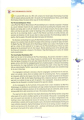
to find the time to really look inside of yourself: Be calm and look inside. You should sleep in the sea of boon, wake up in the sea of boon, and still your mind. Make yourself calm an
This text emphasizes the need for self-reflection and continuous meditation to achieve inner calm and happiness. It highlights the teachings of the Buddha that encourage self-improvement and fostering
23
WORLD DHAMMAKAYA CENTRE
WORLD DHAMMAKAYA CENTRE
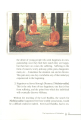
O n its present 800 acres site, WDC will comprise the Great Sapha Dhammakaya Assembly Hall (the largest spiritual assembly hall in the world), the Phramonkollthepmuni Vihara,
The World Dhammakaya Centre spans 800 acres and includes the Great Sapha Dhammakaya Assembly Hall, the largest spiritual hall globally, and the Phramonkollthepmuni Vihara, dedicated to the revered med
22
The Pursuit of True Happiness
the desire of young people who seek happiness in companionship; once they find their match they are happy, but then later on comes the suffering. Suffering in the form of concern, worry, jealousy, pri
The text discusses how young people often seek happiness in companionship, experiencing initial joy that can later transform into suffering due to jealousy, pride, and disappointment. This can lead to
86
The Path to Nibbana: Overcoming Desires and Sufferings
of worldly desires and sufferings, by virtue of:
• Precepts which will cleanse your body and speech
• Meditation which will cleanse your mind
• Wisdom which will cleanse you of your bad habits, and he
This text outlines the transformative journey of a follower of Buddha, emphasizing how following precepts, engaging in meditation, and cultivating wisdom can cleanse one's body, speech, and mind. It h